




Steamed, Fried or Chilli Momo: Which Should You Order?
Published
Frequently Asked Questions
What are the different types of momo?
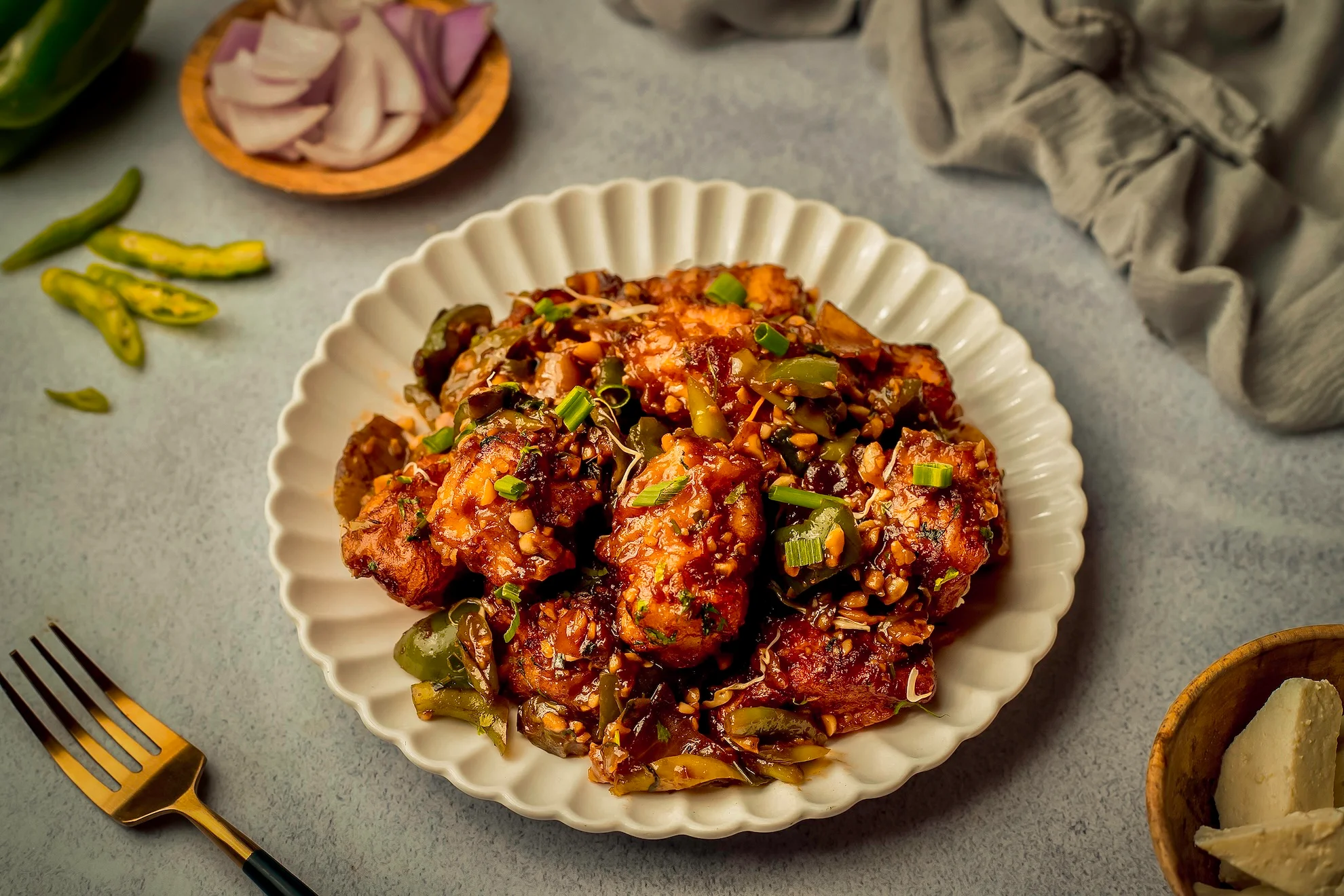
The main preparations are steamed, kothey (pan-fried on one side), fried, jhol (served in a thin broth), chilli (tossed in a thick chili sauce), sadeko (tossed with lemon, onion and cilantro), open, and tandoori. Fillings are a separate choice, usually chicken, buff, pork, goat, paneer or vegetable.
Which momo is best for a first-timer?
Steamed. It's the benchmark preparation, nothing is masking the filling or the wrapper, and every other type is a variation on it.
What is the difference between steamed and fried momo?
Steamed momo is cooked in a steamer with no oil, giving a soft wrapper and sealed-in juices. Fried momo is deep-fried until the wrapper is crisp all over. Kothey momo sits between the two, half-steamed, then pan-fried on one side.
What is kothey momo?
Kothey momo is half-steamed and then pan-fried on one side, so the base is crisp and the top stays soft. It's the closest Nepali equivalent to a Japanese gyoza or a Chinese potsticker.
What does the C in C-momo stand for?
It's explained two ways: some say it's simply short for chilli, others that it refers to Chitwan in southern Nepal. Neither account is settled, and both are widely repeated.
Is tandoori momo Nepali?
No. Tandoori momo is an Indian creation, most associated with Delhi, and a fairly recent one. It's good, but it isn't part of the traditional Nepali repertoire.
How many momos should I order?
Ten per person if momo is the meal, five or six each if it's a starter before a curry.
Which momo is best for takeout?
Fried travels best, chilli momo travels well, and steamed is fine over a short distance. Avoid kothey, which loses its crisp base in the box, and jhol, which turns the wrappers slack.